Buy garnelen-online.eu ?
We are moving the project
garnelen-online.eu .
Are you interested in purchasing the domain
garnelen-online.eu ?
domain@kv-gmbh.de · 0541-91531010
Buy garnelen-online.eu ?
Is peat extract used for the aquarium?
Yes, peat extract is commonly used in aquariums to help lower the pH level of the water and create a more natural environment for certain fish species. It can also help soften the water and provide beneficial tannins that mimic the conditions of a fish's natural habitat. However, it is important to use peat extract carefully and monitor the water parameters to ensure it does not have any negative effects on the aquarium ecosystem. **
What is the difference between industrial compost and household compost?
Industrial composting is a large-scale process that involves composting organic waste from various sources, such as food processing plants, agricultural operations, and municipal green waste. It is typically done in a controlled environment with specialized equipment to efficiently break down the organic material. On the other hand, household composting is a smaller-scale process that involves composting organic waste generated in a home, such as food scraps, yard trimmings, and paper products. It is usually done in a backyard compost bin or pile, using natural decomposition processes. The main difference between the two is the scale and the level of control and management involved in the composting process. **
Similar search terms for Forza-Vitale-Compost-Extract
Top-Angebote
Products related to Forza-Vitale-Compost-Extract:
-
Forza Vitale Rosalaccio Compost Extract 50 mlNutrition and Supplements Natural Extracts Forza Vitale Rosalaccio Compost Extract 50 ml Herbal Supplement of Sundew, Maidenhair and Poppy, promotes fluidity of bronchial secretions** How to Use: Take 25 drops 3 times a day in water18,97 £*Shipping: 3,99 £Secure redirect to the provider


-
Does compost produce mold?
Yes, compost can produce mold. Mold is a type of fungus that thrives in moist and organic environments, making compost an ideal breeding ground for mold. However, having mold in compost is not necessarily a bad thing, as it helps with the decomposition process. As long as the compost is properly aerated and turned regularly, the mold should not become a problem. **
-
Do you sieve the usable compost or shred the compost before composting?
It is generally recommended to shred the compost materials before composting, as this helps to speed up the decomposition process and create a more uniform compost. Shredding the materials increases the surface area for microorganisms to work on, which accelerates the breakdown of the organic matter. Sieving the compost may also be necessary to remove any large, undecomposed materials before using the compost in the garden. Both shredding and sieving can help create a higher quality, more consistent compost for use in gardening. **
-
Where should one dispose of food scraps in the compost?
Food scraps should be disposed of in the compost bin or pile. This includes fruit and vegetable peels, coffee grounds, eggshells, and other organic kitchen waste. It's important to avoid adding meat, dairy, and oily foods to the compost, as they can attract pests and slow down the decomposition process. By adding food scraps to the compost, you can help create nutrient-rich soil for your garden and reduce waste going to the landfill. **
-
How can compost be improved?
Compost can be improved by ensuring a proper balance of green and brown materials, such as kitchen scraps and yard waste. Turning the compost regularly to aerate it and speed up decomposition can also help improve the quality of the compost. Adding a compost activator or accelerator can introduce beneficial microorganisms to the compost pile, further enhancing the decomposition process. Lastly, monitoring the moisture levels of the compost and adjusting as needed can help create a more optimal environment for decomposition. **

Are mice harmful in compost?
Mice can be harmful in compost because they may dig tunnels and create nests, disrupting the decomposition process. Additionally, they may consume the organic materials in the compost, reducing its effectiveness. To prevent mice from being attracted to the compost, it's important to avoid adding meat, dairy, and oily foods, and to regularly turn the compost to discourage nesting. Using a closed compost bin can also help to keep mice out. **
What is in the compost?
Compost is made up of organic materials such as kitchen scraps (fruit and vegetable peels, coffee grounds, eggshells), yard waste (grass clippings, leaves, small branches), and other biodegradable materials. These materials are broken down by microorganisms and turned into nutrient-rich soil that can be used to improve the health and fertility of garden soil. Compost also contains a variety of beneficial microorganisms and earthworms that help to further break down the organic matter and improve soil structure. **
Top-Angebote
Products related to Forza-Vitale-Compost-Extract:
-
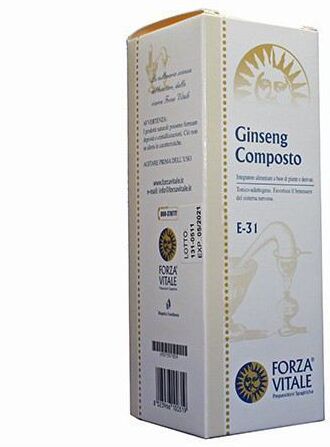
Forza Vitale Compost Ginseng Extract 100Ml.Nutrition and Supplements Vitamins and minerals Forza Vitale Compost Ginseng Extract 100Ml. how to use: Take 25 drops 3 times a day, unless otherwise suggested by your physician. Form: Drops Content:3.38 fl.oz. (100 ml)17,46 £*Shipping: 3,99 £Secure redirect to the provider
-
Forza Vitale Rosalaccio Compost Extract 50 mlNutrition and Supplements Natural Extracts Forza Vitale Rosalaccio Compost Extract 50 ml Herbal Supplement of Sundew, Maidenhair and Poppy, promotes fluidity of bronchial secretions** How to Use: Take 25 drops 3 times a day in water18,97 £*Shipping: 3,99 £Secure redirect to the provider
-
Is peat extract used for the aquarium?
Yes, peat extract is commonly used in aquariums to help lower the pH level of the water and create a more natural environment for certain fish species. It can also help soften the water and provide beneficial tannins that mimic the conditions of a fish's natural habitat. However, it is important to use peat extract carefully and monitor the water parameters to ensure it does not have any negative effects on the aquarium ecosystem. **
-
What is the difference between industrial compost and household compost?
Industrial composting is a large-scale process that involves composting organic waste from various sources, such as food processing plants, agricultural operations, and municipal green waste. It is typically done in a controlled environment with specialized equipment to efficiently break down the organic material. On the other hand, household composting is a smaller-scale process that involves composting organic waste generated in a home, such as food scraps, yard trimmings, and paper products. It is usually done in a backyard compost bin or pile, using natural decomposition processes. The main difference between the two is the scale and the level of control and management involved in the composting process. **
-
Does compost produce mold?
Yes, compost can produce mold. Mold is a type of fungus that thrives in moist and organic environments, making compost an ideal breeding ground for mold. However, having mold in compost is not necessarily a bad thing, as it helps with the decomposition process. As long as the compost is properly aerated and turned regularly, the mold should not become a problem. **
-
Do you sieve the usable compost or shred the compost before composting?
It is generally recommended to shred the compost materials before composting, as this helps to speed up the decomposition process and create a more uniform compost. Shredding the materials increases the surface area for microorganisms to work on, which accelerates the breakdown of the organic matter. Sieving the compost may also be necessary to remove any large, undecomposed materials before using the compost in the garden. Both shredding and sieving can help create a higher quality, more consistent compost for use in gardening. **
Similar search terms for Forza-Vitale-Compost-Extract
-
Forza Vitale Cardepat Extract 50 mlNutrition and Supplements Natural Extracts Forza Vitale Cardepat Extract 50 ml Milk Thistle and Artichoke dietary supplement, promotes liver and digestive functions. How to use: Take 25 drops 3 times a day in water.19,05 £*Shipping: 3,99 £Secure redirect to the provider
-
Where should one dispose of food scraps in the compost?
Food scraps should be disposed of in the compost bin or pile. This includes fruit and vegetable peels, coffee grounds, eggshells, and other organic kitchen waste. It's important to avoid adding meat, dairy, and oily foods to the compost, as they can attract pests and slow down the decomposition process. By adding food scraps to the compost, you can help create nutrient-rich soil for your garden and reduce waste going to the landfill. **
-
How can compost be improved?
Compost can be improved by ensuring a proper balance of green and brown materials, such as kitchen scraps and yard waste. Turning the compost regularly to aerate it and speed up decomposition can also help improve the quality of the compost. Adding a compost activator or accelerator can introduce beneficial microorganisms to the compost pile, further enhancing the decomposition process. Lastly, monitoring the moisture levels of the compost and adjusting as needed can help create a more optimal environment for decomposition. **
-
Are mice harmful in compost?
Mice can be harmful in compost because they may dig tunnels and create nests, disrupting the decomposition process. Additionally, they may consume the organic materials in the compost, reducing its effectiveness. To prevent mice from being attracted to the compost, it's important to avoid adding meat, dairy, and oily foods, and to regularly turn the compost to discourage nesting. Using a closed compost bin can also help to keep mice out. **
-
What is in the compost?
Compost is made up of organic materials such as kitchen scraps (fruit and vegetable peels, coffee grounds, eggshells), yard waste (grass clippings, leaves, small branches), and other biodegradable materials. These materials are broken down by microorganisms and turned into nutrient-rich soil that can be used to improve the health and fertility of garden soil. Compost also contains a variety of beneficial microorganisms and earthworms that help to further break down the organic matter and improve soil structure. **
* All prices are inclusive of VAT and, if applicable, plus shipping costs. The offer information is based on the details provided by the respective shop and is updated through automated processes. Real-time updates do not occur, so deviations can occur in individual cases. ** Note: Parts of this content were created by AI.