Buy garnelen-online.eu ?
We are moving the project
garnelen-online.eu .
Are you interested in purchasing the domain
garnelen-online.eu ?
domain@kv-gmbh.de · 0541-91531010
Buy garnelen-online.eu ?
What is the white layer around the leftover food in the aquarium?
The white layer around leftover food in the aquarium is most likely a fungal or bacterial growth. This can occur when uneaten food starts to decompose, providing a breeding ground for microorganisms. It is important to remove any uneaten food promptly to prevent this buildup, as it can lead to water quality issues and harm the aquarium's inhabitants. Regular maintenance and feeding only what the fish can consume in a few minutes can help prevent this issue. **
What is that strange layer on the aquarium?
The strange layer on the aquarium is likely a biofilm, which is a thin layer of bacteria and other microorganisms that form on surfaces in the water. This biofilm can develop due to a buildup of organic waste, uneaten food, or other debris in the aquarium. It is important to regularly clean the aquarium and maintain proper water quality to prevent the formation of biofilm, as it can negatively impact the health of the fish and other aquatic life in the tank. **

Similar search terms for Layer
Top-Angebote
Products related to Layer:
-
Uplifted Finds 2pcs Shrimp Dome Hide Betta Hiding Cave & Breeding Shelter Tank Ornament For Guppy & Small Fish greenCreate a safe, stressfree aquatic environment for your aquarium inhabitants with this 2Piece Shrimp Dome Hide & Betta Resting Shelter Set. Specially designed for small freshwater fish, dwarf shrimp, guppies, and bettas, these smooth ceramic dome...38,97 $*Shipping: 0,00 $Secure redirect to the provider
-
Uplift Essentials Ceramic Aquarium Shrimp Cave And Fish Hideout Ceramic Aquarium Shrimp Cave And Fish HideoutProvide a safe shelter, stressfree resting spot, and natural breeding ground for your aquatic pets with this ceramic shrimp cave. Crafted from nontoxic, porous clay ceramic, this hollow habitat cylinder features smooth, rounded entrance arches that...31,97 $*Shipping: 0,00 $Secure redirect to the provider
-
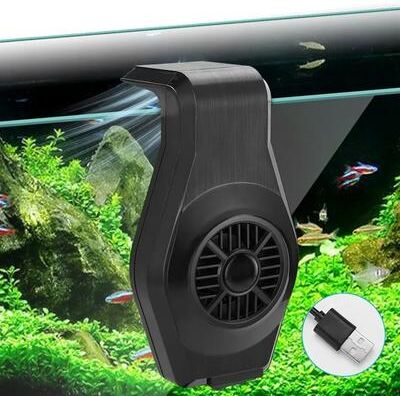
Uplift Essentials USB Aquarium Cooling Fan Mini Fish Tank Chiller With Speed Control For Shrimp And Planted Tanks USB Aquarium Cooling Fan Mini Fish Tank Chiller With Speed Control For Shrimp And Planted TanksKeep your aquarium water cooler and your aquatic pets more comfortable with this USB aquarium cooling fan designed for fish tanks, shrimp tanks, and planted grass tanks. With strong airflow and adjustable speed settings, it helps reduce water...61,97 $*Shipping: 0,00 $Secure redirect to the provider
-
Multisell Products Hub Fish Tank Decorations, Resin Submarine Ornaments, Aquarium Fish Shrimp Shelter Cave redEnhance Your Aquarium with a Resin Submarine Ornament Add a unique touch to your aquarium with our Resin Submarine Ornaments. Designed for both aesthetic appeal and practical use, this highquality ornament serves as a fish shrimp shelter cave,...21,97 $*Shipping: 0,00 $Secure redirect to the provider



-
What is the white layer on the aquarium?
The white layer on the aquarium is most likely a build-up of calcium deposits, also known as limescale. This can occur when water evaporates and leaves behind minerals that form a white crust on the glass. It can also be caused by hard water, which contains high levels of calcium and magnesium. Regular cleaning and maintenance of the aquarium can help prevent the build-up of this white layer. **
-
What is the oily layer on the aquarium water?
The oily layer on aquarium water is often caused by a buildup of organic compounds like fish waste, uneaten food, or excess nutrients. This layer can prevent oxygen exchange between the water and the air, leading to poor water quality and potentially harming the fish. Regular maintenance such as water changes, proper feeding, and using a surface skimmer can help prevent the formation of this oily layer and maintain a healthy aquatic environment for your fish. **
-
How does a 3D printer print layer by layer offset?
A 3D printer prints layer by layer offset by following a specific pattern dictated by the 3D model being printed. The printer deposits material, such as plastic filament or resin, onto the build platform or previous layer in a precise pattern based on the instructions from the 3D model. As each layer is completed, the printer moves up or down to the next layer and repeats the process, gradually building up the 3D object. This layer-by-layer offset printing process allows for the creation of complex and intricate 3D objects with precise details. **
-
How does the slimy milky layer form on aquarium decoration roots?
The slimy milky layer that forms on aquarium decoration roots is typically caused by a buildup of organic waste, such as uneaten fish food, fish waste, and decaying plant matter. This organic waste provides a food source for bacteria and other microorganisms, which then multiply and form a slimy biofilm on the surfaces of the roots. To prevent this buildup, regular cleaning and maintenance of the aquarium, as well as ensuring proper filtration and water quality, can help reduce the formation of the slimy milky layer. **


How does the slimy milky layer on aquarium decoration roots form?
The slimy milky layer on aquarium decoration roots forms due to a combination of factors. One of the main reasons is the presence of beneficial bacteria and other microorganisms that colonize the surface of the roots. These microorganisms produce a slimy substance as they break down organic matter and waste in the aquarium, creating a biofilm. Additionally, the roots themselves may release natural compounds and exudates that contribute to the formation of the slimy layer. This biofilm is a natural part of the aquarium ecosystem and can provide a source of food for certain fish and invertebrates. **
Has the illustrator layer been cut off from the blur layer?
No, the illustrator layer has not been cut off from the blur layer. Both layers are still intact and can be adjusted separately. The illustrator layer contains the original artwork, while the blur layer adds the effect of blurriness to the illustration. These layers work together to create the final visual effect. **
Top-Angebote
Products related to Layer:
-
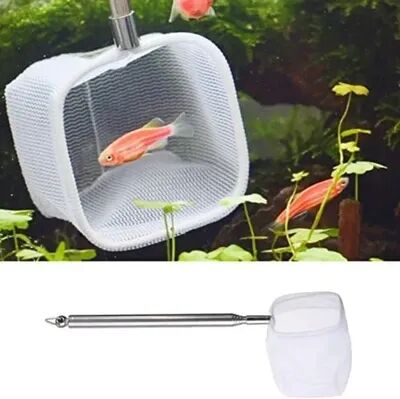
The Handy Homestead Extendable Telescopic Fish Net With Stainless Steel Handle For Aquarium And Shrimp Care Extendable Telescopic Fish Net With Stainless Steel Handle For Aquarium And Shrimp CareKeep your tank calm, clean, and easy to manage with a telescopic fish net designed for gentle everyday care. This handy aquarium fish net helps fish keepers, shrimp owners, and hobbyists catch, transfer, or skim without reaching deep into the water....29,97 $*Shipping: 0,00 $Secure redirect to the provider
-
Uplifted Finds Resin Submarine Aquarium Ornament Fish Tank Decoration & Shrimp Shelter Cave redTransform your underwater world into an adventurous aquatic scene with this Resin Submarine Aquarium Ornament. Meticulously detailed to replicate a sunken vintage submarine with realistic portholes, control tower accents, and weathered textures,...33,97 $*Shipping: 0,00 $Secure redirect to the provider
-
Uplifted Finds 2pcs Shrimp Dome Hide Betta Hiding Cave & Breeding Shelter Tank Ornament For Guppy & Small Fish greenCreate a safe, stressfree aquatic environment for your aquarium inhabitants with this 2Piece Shrimp Dome Hide & Betta Resting Shelter Set. Specially designed for small freshwater fish, dwarf shrimp, guppies, and bettas, these smooth ceramic dome...38,97 $*Shipping: 0,00 $Secure redirect to the provider
-
Uplift Essentials Ceramic Aquarium Shrimp Cave And Fish Hideout Ceramic Aquarium Shrimp Cave And Fish HideoutProvide a safe shelter, stressfree resting spot, and natural breeding ground for your aquatic pets with this ceramic shrimp cave. Crafted from nontoxic, porous clay ceramic, this hollow habitat cylinder features smooth, rounded entrance arches that...31,97 $*Shipping: 0,00 $Secure redirect to the provider
-
What is the white layer around the leftover food in the aquarium?
The white layer around leftover food in the aquarium is most likely a fungal or bacterial growth. This can occur when uneaten food starts to decompose, providing a breeding ground for microorganisms. It is important to remove any uneaten food promptly to prevent this buildup, as it can lead to water quality issues and harm the aquarium's inhabitants. Regular maintenance and feeding only what the fish can consume in a few minutes can help prevent this issue. **
-
What is that strange layer on the aquarium?
The strange layer on the aquarium is likely a biofilm, which is a thin layer of bacteria and other microorganisms that form on surfaces in the water. This biofilm can develop due to a buildup of organic waste, uneaten food, or other debris in the aquarium. It is important to regularly clean the aquarium and maintain proper water quality to prevent the formation of biofilm, as it can negatively impact the health of the fish and other aquatic life in the tank. **
-
What is the white layer on the aquarium?
The white layer on the aquarium is most likely a build-up of calcium deposits, also known as limescale. This can occur when water evaporates and leaves behind minerals that form a white crust on the glass. It can also be caused by hard water, which contains high levels of calcium and magnesium. Regular cleaning and maintenance of the aquarium can help prevent the build-up of this white layer. **
-
What is the oily layer on the aquarium water?
The oily layer on aquarium water is often caused by a buildup of organic compounds like fish waste, uneaten food, or excess nutrients. This layer can prevent oxygen exchange between the water and the air, leading to poor water quality and potentially harming the fish. Regular maintenance such as water changes, proper feeding, and using a surface skimmer can help prevent the formation of this oily layer and maintain a healthy aquatic environment for your fish. **
Similar search terms for Layer
-
Uplift Essentials USB Aquarium Cooling Fan Mini Fish Tank Chiller With Speed Control For Shrimp And Planted Tanks USB Aquarium Cooling Fan Mini Fish Tank Chiller With Speed Control For Shrimp And Planted TanksKeep your aquarium water cooler and your aquatic pets more comfortable with this USB aquarium cooling fan designed for fish tanks, shrimp tanks, and planted grass tanks. With strong airflow and adjustable speed settings, it helps reduce water...61,97 $*Shipping: 0,00 $Secure redirect to the provider
-
Multisell Products Hub Fish Tank Decorations, Resin Submarine Ornaments, Aquarium Fish Shrimp Shelter Cave redEnhance Your Aquarium with a Resin Submarine Ornament Add a unique touch to your aquarium with our Resin Submarine Ornaments. Designed for both aesthetic appeal and practical use, this highquality ornament serves as a fish shrimp shelter cave,...21,97 $*Shipping: 0,00 $Secure redirect to the provider
-
Uplifted Finds Resin Submarine Aquarium Ornament Fish Tank Decoration & Shrimp Shelter Cave bronzeTransform your underwater world into an adventurous aquatic scene with this Resin Submarine Aquarium Ornament. Meticulously detailed to replicate a sunken vintage submarine with realistic portholes, control tower accents, and weathered textures,...33,97 $*Shipping: 0,00 $Secure redirect to the provider
-
Uplifted Finds Resin Submarine Aquarium Ornament Fish Tank Decoration & Shrimp Shelter Cave yellowTransform your underwater world into an adventurous aquatic scene with this Resin Submarine Aquarium Ornament. Meticulously detailed to replicate a sunken vintage submarine with realistic portholes, control tower accents, and weathered textures,...33,97 $*Shipping: 0,00 $Secure redirect to the provider
-
How does a 3D printer print layer by layer offset?
A 3D printer prints layer by layer offset by following a specific pattern dictated by the 3D model being printed. The printer deposits material, such as plastic filament or resin, onto the build platform or previous layer in a precise pattern based on the instructions from the 3D model. As each layer is completed, the printer moves up or down to the next layer and repeats the process, gradually building up the 3D object. This layer-by-layer offset printing process allows for the creation of complex and intricate 3D objects with precise details. **
-
How does the slimy milky layer form on aquarium decoration roots?
The slimy milky layer that forms on aquarium decoration roots is typically caused by a buildup of organic waste, such as uneaten fish food, fish waste, and decaying plant matter. This organic waste provides a food source for bacteria and other microorganisms, which then multiply and form a slimy biofilm on the surfaces of the roots. To prevent this buildup, regular cleaning and maintenance of the aquarium, as well as ensuring proper filtration and water quality, can help reduce the formation of the slimy milky layer. **
-
How does the slimy milky layer on aquarium decoration roots form?
The slimy milky layer on aquarium decoration roots forms due to a combination of factors. One of the main reasons is the presence of beneficial bacteria and other microorganisms that colonize the surface of the roots. These microorganisms produce a slimy substance as they break down organic matter and waste in the aquarium, creating a biofilm. Additionally, the roots themselves may release natural compounds and exudates that contribute to the formation of the slimy layer. This biofilm is a natural part of the aquarium ecosystem and can provide a source of food for certain fish and invertebrates. **
-
Has the illustrator layer been cut off from the blur layer?
No, the illustrator layer has not been cut off from the blur layer. Both layers are still intact and can be adjusted separately. The illustrator layer contains the original artwork, while the blur layer adds the effect of blurriness to the illustration. These layers work together to create the final visual effect. **
* All prices are inclusive of VAT and, if applicable, plus shipping costs. The offer information is based on the details provided by the respective shop and is updated through automated processes. Real-time updates do not occur, so deviations can occur in individual cases. ** Note: Parts of this content were created by AI.