Buy garnelen-online.eu ?
We are moving the project
garnelen-online.eu .
Are you interested in purchasing the domain
garnelen-online.eu ?
domain@kv-gmbh.de · 0541-91531010
Buy garnelen-online.eu ?
What is a receptor molecule?
A receptor molecule is a protein located on the surface of a cell that binds to specific signaling molecules, such as hormones or neurotransmitters. When the signaling molecule binds to the receptor, it triggers a cellular response, such as a change in gene expression or activation of a signaling pathway. Receptor molecules are crucial for communication between cells and for coordinating various physiological processes within the body. **
Can you explain the receptor potential?
The receptor potential is a change in membrane potential that occurs in sensory receptor cells in response to a stimulus. When a stimulus such as light, sound, or touch activates a sensory receptor, it causes ion channels in the cell membrane to open or close, leading to a change in membrane potential. This change in membrane potential triggers the generation of action potentials, which are then transmitted to the central nervous system for processing and interpretation. The receptor potential serves as the initial step in converting a sensory stimulus into an electrical signal that can be transmitted to the brain for perception. **


Similar search terms for Receptor
Top-Angebote
Products related to Receptor:
-
Uplifted Finds 2pcs Shrimp Dome Hide Betta Hiding Cave & Breeding Shelter Tank Ornament For Guppy & Small Fish greenCreate a safe, stressfree aquatic environment for your aquarium inhabitants with this 2Piece Shrimp Dome Hide & Betta Resting Shelter Set. Specially designed for small freshwater fish, dwarf shrimp, guppies, and bettas, these smooth ceramic dome...38,97 $*Shipping: 0,00 $Secure redirect to the provider
-
Uplift Essentials Ceramic Aquarium Shrimp Cave And Fish Hideout Ceramic Aquarium Shrimp Cave And Fish HideoutProvide a safe shelter, stressfree resting spot, and natural breeding ground for your aquatic pets with this ceramic shrimp cave. Crafted from nontoxic, porous clay ceramic, this hollow habitat cylinder features smooth, rounded entrance arches that...31,97 $*Shipping: 0,00 $Secure redirect to the provider
-
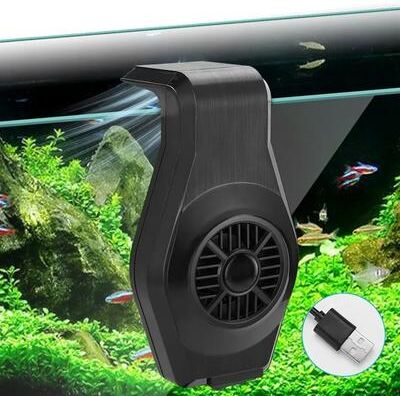
Uplift Essentials USB Aquarium Cooling Fan Mini Fish Tank Chiller With Speed Control For Shrimp And Planted Tanks USB Aquarium Cooling Fan Mini Fish Tank Chiller With Speed Control For Shrimp And Planted TanksKeep your aquarium water cooler and your aquatic pets more comfortable with this USB aquarium cooling fan designed for fish tanks, shrimp tanks, and planted grass tanks. With strong airflow and adjustable speed settings, it helps reduce water...61,97 $*Shipping: 0,00 $Secure redirect to the provider
-
Multisell Products Hub Fish Tank Decorations, Resin Submarine Ornaments, Aquarium Fish Shrimp Shelter Cave redEnhance Your Aquarium with a Resin Submarine Ornament Add a unique touch to your aquarium with our Resin Submarine Ornaments. Designed for both aesthetic appeal and practical use, this highquality ornament serves as a fish shrimp shelter cave,...21,97 $*Shipping: 0,00 $Secure redirect to the provider



-
Are regulator and activator proteins also hormone receptor complexes?
Regulator and activator proteins are not the same as hormone receptor complexes, although they may interact with hormone receptor complexes to modulate their activity. Hormone receptor complexes are specific proteins that bind to hormones and initiate a cellular response, while regulator and activator proteins are involved in regulating the activity of these hormone receptor complexes. Regulator and activator proteins can enhance or inhibit the activity of hormone receptor complexes, but they are not themselves hormone receptor complexes. **
-
Why does the receptor potential decrease towards the axon hillock?
The receptor potential decreases towards the axon hillock because the axon hillock acts as a site of integration for incoming signals from various receptors. As the receptor potential travels towards the axon hillock, it undergoes summation with other incoming signals. This integration process helps determine whether an action potential will be generated and propagated down the axon. The decrease in receptor potential towards the axon hillock is crucial for the neuron to make decisions about whether to transmit the signal further. **
-
What happens when the receptor potential reaches the central nervous system?
When the receptor potential reaches the central nervous system, it triggers the generation of action potentials in sensory neurons. These action potentials travel along the sensory neurons to the brain, where they are processed and interpreted. The brain then generates a response or perception based on the information received from the receptor potential. This process allows us to sense and respond to various stimuli in our environment. **
-
How is a receptor potential generated based on the ion theory?
A receptor potential is generated based on the ion theory through the activation of ion channels in response to a stimulus. When a stimulus is detected by a sensory receptor, it causes ion channels in the receptor membrane to open or close, allowing specific ions to flow into or out of the cell. This movement of ions creates a change in the membrane potential, known as the receptor potential. The magnitude of the receptor potential is directly related to the strength of the stimulus, with stronger stimuli leading to larger changes in membrane potential. **


What is the difference between a receptor and an action potential?
A receptor is a specialized protein molecule that can detect specific signals or stimuli from the environment and initiate a response. On the other hand, an action potential is a brief electrical signal that travels along the membrane of a neuron or muscle cell, allowing for communication between different parts of the body. In summary, receptors detect signals, while action potentials are the electrical signals that transmit information within the body. **
What is the effect of barbiturates on the GABA-A receptor?
Barbiturates enhance the inhibitory effects of the neurotransmitter GABA on the GABA-A receptor. They bind to a specific site on the receptor and increase the duration of the chloride channel opening, leading to hyperpolarization of the neuron and inhibition of neuronal activity. This results in sedative, hypnotic, and anxiolytic effects, making barbiturates commonly used as central nervous system depressants. Prolonged use of barbiturates can lead to tolerance, dependence, and potentially dangerous withdrawal symptoms. **
Top-Angebote
Products related to Receptor:
-
The Handy Homestead Extendable Telescopic Fish Net With Stainless Steel Handle For Aquarium And Shrimp Care Extendable Telescopic Fish Net With Stainless Steel Handle For Aquarium And Shrimp CareKeep your tank calm, clean, and easy to manage with a telescopic fish net designed for gentle everyday care. This handy aquarium fish net helps fish keepers, shrimp owners, and hobbyists catch, transfer, or skim without reaching deep into the water....29,97 $*Shipping: 0,00 $Secure redirect to the provider
-
Uplifted Finds Resin Submarine Aquarium Ornament Fish Tank Decoration & Shrimp Shelter Cave redTransform your underwater world into an adventurous aquatic scene with this Resin Submarine Aquarium Ornament. Meticulously detailed to replicate a sunken vintage submarine with realistic portholes, control tower accents, and weathered textures,...33,97 $*Shipping: 0,00 $Secure redirect to the provider
-
Uplifted Finds 2pcs Shrimp Dome Hide Betta Hiding Cave & Breeding Shelter Tank Ornament For Guppy & Small Fish greenCreate a safe, stressfree aquatic environment for your aquarium inhabitants with this 2Piece Shrimp Dome Hide & Betta Resting Shelter Set. Specially designed for small freshwater fish, dwarf shrimp, guppies, and bettas, these smooth ceramic dome...38,97 $*Shipping: 0,00 $Secure redirect to the provider
-
Uplift Essentials Ceramic Aquarium Shrimp Cave And Fish Hideout Ceramic Aquarium Shrimp Cave And Fish HideoutProvide a safe shelter, stressfree resting spot, and natural breeding ground for your aquatic pets with this ceramic shrimp cave. Crafted from nontoxic, porous clay ceramic, this hollow habitat cylinder features smooth, rounded entrance arches that...31,97 $*Shipping: 0,00 $Secure redirect to the provider
-
What is a receptor molecule?
A receptor molecule is a protein located on the surface of a cell that binds to specific signaling molecules, such as hormones or neurotransmitters. When the signaling molecule binds to the receptor, it triggers a cellular response, such as a change in gene expression or activation of a signaling pathway. Receptor molecules are crucial for communication between cells and for coordinating various physiological processes within the body. **
-
Can you explain the receptor potential?
The receptor potential is a change in membrane potential that occurs in sensory receptor cells in response to a stimulus. When a stimulus such as light, sound, or touch activates a sensory receptor, it causes ion channels in the cell membrane to open or close, leading to a change in membrane potential. This change in membrane potential triggers the generation of action potentials, which are then transmitted to the central nervous system for processing and interpretation. The receptor potential serves as the initial step in converting a sensory stimulus into an electrical signal that can be transmitted to the brain for perception. **
-
Are regulator and activator proteins also hormone receptor complexes?
Regulator and activator proteins are not the same as hormone receptor complexes, although they may interact with hormone receptor complexes to modulate their activity. Hormone receptor complexes are specific proteins that bind to hormones and initiate a cellular response, while regulator and activator proteins are involved in regulating the activity of these hormone receptor complexes. Regulator and activator proteins can enhance or inhibit the activity of hormone receptor complexes, but they are not themselves hormone receptor complexes. **
-
Why does the receptor potential decrease towards the axon hillock?
The receptor potential decreases towards the axon hillock because the axon hillock acts as a site of integration for incoming signals from various receptors. As the receptor potential travels towards the axon hillock, it undergoes summation with other incoming signals. This integration process helps determine whether an action potential will be generated and propagated down the axon. The decrease in receptor potential towards the axon hillock is crucial for the neuron to make decisions about whether to transmit the signal further. **
Similar search terms for Receptor
-
Uplift Essentials USB Aquarium Cooling Fan Mini Fish Tank Chiller With Speed Control For Shrimp And Planted Tanks USB Aquarium Cooling Fan Mini Fish Tank Chiller With Speed Control For Shrimp And Planted TanksKeep your aquarium water cooler and your aquatic pets more comfortable with this USB aquarium cooling fan designed for fish tanks, shrimp tanks, and planted grass tanks. With strong airflow and adjustable speed settings, it helps reduce water...61,97 $*Shipping: 0,00 $Secure redirect to the provider
-
Multisell Products Hub Fish Tank Decorations, Resin Submarine Ornaments, Aquarium Fish Shrimp Shelter Cave redEnhance Your Aquarium with a Resin Submarine Ornament Add a unique touch to your aquarium with our Resin Submarine Ornaments. Designed for both aesthetic appeal and practical use, this highquality ornament serves as a fish shrimp shelter cave,...21,97 $*Shipping: 0,00 $Secure redirect to the provider
-
Uplifted Finds Resin Submarine Aquarium Ornament Fish Tank Decoration & Shrimp Shelter Cave bronzeTransform your underwater world into an adventurous aquatic scene with this Resin Submarine Aquarium Ornament. Meticulously detailed to replicate a sunken vintage submarine with realistic portholes, control tower accents, and weathered textures,...33,97 $*Shipping: 0,00 $Secure redirect to the provider
-
Uplifted Finds Resin Submarine Aquarium Ornament Fish Tank Decoration & Shrimp Shelter Cave yellowTransform your underwater world into an adventurous aquatic scene with this Resin Submarine Aquarium Ornament. Meticulously detailed to replicate a sunken vintage submarine with realistic portholes, control tower accents, and weathered textures,...33,97 $*Shipping: 0,00 $Secure redirect to the provider
-
What happens when the receptor potential reaches the central nervous system?
When the receptor potential reaches the central nervous system, it triggers the generation of action potentials in sensory neurons. These action potentials travel along the sensory neurons to the brain, where they are processed and interpreted. The brain then generates a response or perception based on the information received from the receptor potential. This process allows us to sense and respond to various stimuli in our environment. **
-
How is a receptor potential generated based on the ion theory?
A receptor potential is generated based on the ion theory through the activation of ion channels in response to a stimulus. When a stimulus is detected by a sensory receptor, it causes ion channels in the receptor membrane to open or close, allowing specific ions to flow into or out of the cell. This movement of ions creates a change in the membrane potential, known as the receptor potential. The magnitude of the receptor potential is directly related to the strength of the stimulus, with stronger stimuli leading to larger changes in membrane potential. **
-
What is the difference between a receptor and an action potential?
A receptor is a specialized protein molecule that can detect specific signals or stimuli from the environment and initiate a response. On the other hand, an action potential is a brief electrical signal that travels along the membrane of a neuron or muscle cell, allowing for communication between different parts of the body. In summary, receptors detect signals, while action potentials are the electrical signals that transmit information within the body. **
-
What is the effect of barbiturates on the GABA-A receptor?
Barbiturates enhance the inhibitory effects of the neurotransmitter GABA on the GABA-A receptor. They bind to a specific site on the receptor and increase the duration of the chloride channel opening, leading to hyperpolarization of the neuron and inhibition of neuronal activity. This results in sedative, hypnotic, and anxiolytic effects, making barbiturates commonly used as central nervous system depressants. Prolonged use of barbiturates can lead to tolerance, dependence, and potentially dangerous withdrawal symptoms. **
* All prices are inclusive of VAT and, if applicable, plus shipping costs. The offer information is based on the details provided by the respective shop and is updated through automated processes. Real-time updates do not occur, so deviations can occur in individual cases. ** Note: Parts of this content were created by AI.