Buy garnelen-online.eu ?
We are moving the project
garnelen-online.eu .
Are you interested in purchasing the domain
garnelen-online.eu ?
domain@kv-gmbh.de · 0541-91531010
Buy garnelen-online.eu ?
What is the explanation for dielectric polarization?
Dielectric polarization occurs when an external electric field is applied to a dielectric material, causing the alignment of the material's electric dipoles in the direction of the field. This alignment results in the separation of positive and negative charges within the material, creating an induced electric dipole moment. The overall effect is an increase in the material's electric polarization, which leads to the material exhibiting an electric dipole moment even in the absence of an external field. This phenomenon is responsible for the dielectric properties of materials, such as their ability to store and transmit electric energy. **
What is a dielectric in an electric field?
A dielectric is a material that does not conduct electricity, but can become polarized when placed in an electric field. When an electric field is applied to a dielectric, the positive and negative charges within the material align in the direction of the field, creating an induced dipole moment. This polarization reduces the overall electric field within the dielectric, making it an insulator. Dielectrics are commonly used in capacitors to store and release electrical energy. **


Similar search terms for Dielectric
Top-Angebote
Products related to Dielectric:
-
Uplifted Finds 2pcs Shrimp Dome Hide Betta Hiding Cave & Breeding Shelter Tank Ornament For Guppy & Small Fish blackCreate a safe, stressfree aquatic environment for your aquarium inhabitants with this 2Piece Shrimp Dome Hide & Betta Resting Shelter Set. Specially designed for small freshwater fish, dwarf shrimp, guppies, and bettas, these smooth ceramic dome...38,97 $*Shipping: 0,00 $Secure redirect to the provider
-
Uplift Essentials Ceramic Aquarium Shrimp Cave And Fish Hideout Ceramic Aquarium Shrimp Cave And Fish HideoutProvide a safe shelter, stressfree resting spot, and natural breeding ground for your aquatic pets with this ceramic shrimp cave. Crafted from nontoxic, porous clay ceramic, this hollow habitat cylinder features smooth, rounded entrance arches that...31,97 $*Shipping: 0,00 $Secure redirect to the provider
-
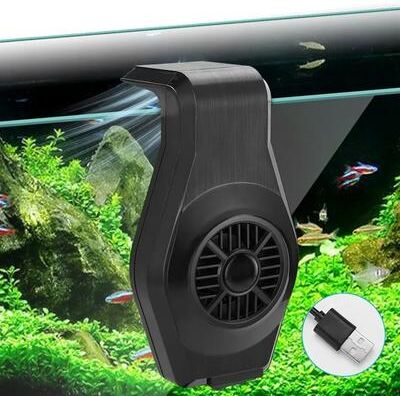
Uplift Essentials USB Aquarium Cooling Fan Mini Fish Tank Chiller With Speed Control For Shrimp And Planted Tanks USB Aquarium Cooling Fan Mini Fish Tank Chiller With Speed Control For Shrimp And Planted TanksKeep your aquarium water cooler and your aquatic pets more comfortable with this USB aquarium cooling fan designed for fish tanks, shrimp tanks, and planted grass tanks. With strong airflow and adjustable speed settings, it helps reduce water...61,97 $*Shipping: 0,00 $Secure redirect to the provider
-
Multisell Products Hub Fish Tank Decorations, Resin Submarine Ornaments, Aquarium Fish Shrimp Shelter Cave yellowEnhance Your Aquarium with a Resin Submarine Ornament Add a unique touch to your aquarium with our Resin Submarine Ornaments. Designed for both aesthetic appeal and practical use, this highquality ornament serves as a fish shrimp shelter cave,...21,97 $*Shipping: 0,00 $Secure redirect to the provider



-
Does energy and charge remain after removing the dielectric?
Yes, energy and charge remain after removing the dielectric from a capacitor. When a dielectric is removed from a capacitor, the electric field inside the capacitor increases, leading to a redistribution of charges on the capacitor plates. This redistribution of charges results in the conservation of energy and charge in the system. Therefore, the total energy stored in the capacitor and the total charge on the capacitor plates remain the same even after the dielectric is removed. **
-
Does the electric field penetrate a dielectric with ASVM?
No, the electric field does not penetrate a dielectric with ASVM (anti-saturation voltage margin). ASVM is a characteristic of a dielectric material that prevents the electric field from penetrating the material beyond a certain voltage level. This helps to protect the dielectric from breakdown and damage due to excessive electric field strength. Therefore, the ASVM effectively limits the penetration of the electric field into the dielectric material. **
-
Why does a dielectric increase the capacitance of a capacitor?
A dielectric material increases the capacitance of a capacitor because it reduces the electric field between the plates of the capacitor, allowing more charge to be stored for a given voltage. The presence of the dielectric material decreases the potential difference across the capacitor, which in turn increases the capacitance according to the formula C = εA/d, where ε is the permittivity of the dielectric material, A is the area of the plates, and d is the distance between the plates. This increase in capacitance allows the capacitor to store more charge and energy. **
-
Why does the dielectric constant weaken absolutely and not exponentially?
The dielectric constant weakens absolutely and not exponentially because it is a measure of a material's ability to store electrical energy in an electric field. As the material is subjected to an electric field, the polarization of the material aligns with the field, reducing the overall effectiveness of the material as a dielectric. This weakening occurs gradually and linearly as the material becomes more polarized, rather than exponentially as in other types of decay processes. **


What is the relationship between electrical conductivity, dielectric conductivity, and permittivity?
Electrical conductivity is a measure of a material's ability to conduct electric current, while dielectric conductivity is a measure of a material's ability to store and dissipate electric energy as heat. Permittivity is a measure of a material's ability to store electrical energy in an electric field. These properties are related in that materials with high electrical conductivity tend to have low dielectric conductivity and vice versa. Additionally, materials with high permittivity tend to have high dielectric conductivity. **
What work must be done to remove a dielectric from a parallel plate capacitor?
To remove a dielectric from a parallel plate capacitor, the first step is to disconnect the capacitor from any power source to ensure safety. Then, the capacitor plates must be carefully separated to access the dielectric material. Once the dielectric is exposed, it can be gently removed from between the plates using tools or by hand, taking care not to damage the capacitor plates. After the dielectric is removed, the capacitor can be reassembled and reconnected for further use. **
Top-Angebote
Products related to Dielectric:
-
The Handy Homestead Extendable Telescopic Fish Net With Stainless Steel Handle For Aquarium And Shrimp Care Extendable Telescopic Fish Net With Stainless Steel Handle For Aquarium And Shrimp CareKeep your tank calm, clean, and easy to manage with a telescopic fish net designed for gentle everyday care. This handy aquarium fish net helps fish keepers, shrimp owners, and hobbyists catch, transfer, or skim without reaching deep into the water....29,97 $*Shipping: 0,00 $Secure redirect to the provider
-
Uplifted Finds Resin Submarine Aquarium Ornament Fish Tank Decoration & Shrimp Shelter Cave bronzeTransform your underwater world into an adventurous aquatic scene with this Resin Submarine Aquarium Ornament. Meticulously detailed to replicate a sunken vintage submarine with realistic portholes, control tower accents, and weathered textures,...33,97 $*Shipping: 0,00 $Secure redirect to the provider
-
Uplifted Finds 2pcs Shrimp Dome Hide Betta Hiding Cave & Breeding Shelter Tank Ornament For Guppy & Small Fish blackCreate a safe, stressfree aquatic environment for your aquarium inhabitants with this 2Piece Shrimp Dome Hide & Betta Resting Shelter Set. Specially designed for small freshwater fish, dwarf shrimp, guppies, and bettas, these smooth ceramic dome...38,97 $*Shipping: 0,00 $Secure redirect to the provider
-
Uplift Essentials Ceramic Aquarium Shrimp Cave And Fish Hideout Ceramic Aquarium Shrimp Cave And Fish HideoutProvide a safe shelter, stressfree resting spot, and natural breeding ground for your aquatic pets with this ceramic shrimp cave. Crafted from nontoxic, porous clay ceramic, this hollow habitat cylinder features smooth, rounded entrance arches that...31,97 $*Shipping: 0,00 $Secure redirect to the provider
-
What is the explanation for dielectric polarization?
Dielectric polarization occurs when an external electric field is applied to a dielectric material, causing the alignment of the material's electric dipoles in the direction of the field. This alignment results in the separation of positive and negative charges within the material, creating an induced electric dipole moment. The overall effect is an increase in the material's electric polarization, which leads to the material exhibiting an electric dipole moment even in the absence of an external field. This phenomenon is responsible for the dielectric properties of materials, such as their ability to store and transmit electric energy. **
-
What is a dielectric in an electric field?
A dielectric is a material that does not conduct electricity, but can become polarized when placed in an electric field. When an electric field is applied to a dielectric, the positive and negative charges within the material align in the direction of the field, creating an induced dipole moment. This polarization reduces the overall electric field within the dielectric, making it an insulator. Dielectrics are commonly used in capacitors to store and release electrical energy. **
-
Does energy and charge remain after removing the dielectric?
Yes, energy and charge remain after removing the dielectric from a capacitor. When a dielectric is removed from a capacitor, the electric field inside the capacitor increases, leading to a redistribution of charges on the capacitor plates. This redistribution of charges results in the conservation of energy and charge in the system. Therefore, the total energy stored in the capacitor and the total charge on the capacitor plates remain the same even after the dielectric is removed. **
-
Does the electric field penetrate a dielectric with ASVM?
No, the electric field does not penetrate a dielectric with ASVM (anti-saturation voltage margin). ASVM is a characteristic of a dielectric material that prevents the electric field from penetrating the material beyond a certain voltage level. This helps to protect the dielectric from breakdown and damage due to excessive electric field strength. Therefore, the ASVM effectively limits the penetration of the electric field into the dielectric material. **
Similar search terms for Dielectric
-
Uplift Essentials USB Aquarium Cooling Fan Mini Fish Tank Chiller With Speed Control For Shrimp And Planted Tanks USB Aquarium Cooling Fan Mini Fish Tank Chiller With Speed Control For Shrimp And Planted TanksKeep your aquarium water cooler and your aquatic pets more comfortable with this USB aquarium cooling fan designed for fish tanks, shrimp tanks, and planted grass tanks. With strong airflow and adjustable speed settings, it helps reduce water...61,97 $*Shipping: 0,00 $Secure redirect to the provider
-
Multisell Products Hub Fish Tank Decorations, Resin Submarine Ornaments, Aquarium Fish Shrimp Shelter Cave yellowEnhance Your Aquarium with a Resin Submarine Ornament Add a unique touch to your aquarium with our Resin Submarine Ornaments. Designed for both aesthetic appeal and practical use, this highquality ornament serves as a fish shrimp shelter cave,...21,97 $*Shipping: 0,00 $Secure redirect to the provider
-
Uplifted Finds Resin Submarine Aquarium Ornament Fish Tank Decoration & Shrimp Shelter Cave yellowTransform your underwater world into an adventurous aquatic scene with this Resin Submarine Aquarium Ornament. Meticulously detailed to replicate a sunken vintage submarine with realistic portholes, control tower accents, and weathered textures,...33,97 $*Shipping: 0,00 $Secure redirect to the provider
-
Uplifted Finds Resin Submarine Aquarium Ornament Fish Tank Decoration & Shrimp Shelter Cave redTransform your underwater world into an adventurous aquatic scene with this Resin Submarine Aquarium Ornament. Meticulously detailed to replicate a sunken vintage submarine with realistic portholes, control tower accents, and weathered textures,...33,97 $*Shipping: 0,00 $Secure redirect to the provider
-
Why does a dielectric increase the capacitance of a capacitor?
A dielectric material increases the capacitance of a capacitor because it reduces the electric field between the plates of the capacitor, allowing more charge to be stored for a given voltage. The presence of the dielectric material decreases the potential difference across the capacitor, which in turn increases the capacitance according to the formula C = εA/d, where ε is the permittivity of the dielectric material, A is the area of the plates, and d is the distance between the plates. This increase in capacitance allows the capacitor to store more charge and energy. **
-
Why does the dielectric constant weaken absolutely and not exponentially?
The dielectric constant weakens absolutely and not exponentially because it is a measure of a material's ability to store electrical energy in an electric field. As the material is subjected to an electric field, the polarization of the material aligns with the field, reducing the overall effectiveness of the material as a dielectric. This weakening occurs gradually and linearly as the material becomes more polarized, rather than exponentially as in other types of decay processes. **
-
What is the relationship between electrical conductivity, dielectric conductivity, and permittivity?
Electrical conductivity is a measure of a material's ability to conduct electric current, while dielectric conductivity is a measure of a material's ability to store and dissipate electric energy as heat. Permittivity is a measure of a material's ability to store electrical energy in an electric field. These properties are related in that materials with high electrical conductivity tend to have low dielectric conductivity and vice versa. Additionally, materials with high permittivity tend to have high dielectric conductivity. **
-
What work must be done to remove a dielectric from a parallel plate capacitor?
To remove a dielectric from a parallel plate capacitor, the first step is to disconnect the capacitor from any power source to ensure safety. Then, the capacitor plates must be carefully separated to access the dielectric material. Once the dielectric is exposed, it can be gently removed from between the plates using tools or by hand, taking care not to damage the capacitor plates. After the dielectric is removed, the capacitor can be reassembled and reconnected for further use. **
* All prices are inclusive of VAT and, if applicable, plus shipping costs. The offer information is based on the details provided by the respective shop and is updated through automated processes. Real-time updates do not occur, so deviations can occur in individual cases. ** Note: Parts of this content were created by AI.