Buy garnelen-online.eu ?
We are moving the project
garnelen-online.eu .
Are you interested in purchasing the domain
garnelen-online.eu ?
domain@kv-gmbh.de · 0541-91531010
Buy garnelen-online.eu ?
What is the replication origin in DNA replication?
The replication origin is a specific sequence of DNA where the process of DNA replication begins. It is the site where the two strands of the DNA double helix are separated and the replication machinery is assembled. The replication origin is recognized by specific proteins that initiate the unwinding of the DNA and the synthesis of new DNA strands. Each DNA molecule has multiple replication origins to ensure that the entire genome is replicated efficiently. **
What is semiconservative replication?
Semiconservative replication is the process by which DNA is copied during cell division. In this process, the two strands of the DNA double helix separate, and each strand serves as a template for the synthesis of a new complementary strand. As a result, each new DNA molecule contains one original strand and one newly synthesized strand. This ensures that the genetic information is preserved and passed on to the next generation of cells. This process was first proposed by James Watson and Francis Crick in 1953. **


Similar search terms for Replication
Top-Angebote
Products related to Replication:
-
Uplifted Finds 2pcs Shrimp Dome Hide Betta Hiding Cave & Breeding Shelter Tank Ornament For Guppy & Small Fish blackCreate a safe, stressfree aquatic environment for your aquarium inhabitants with this 2Piece Shrimp Dome Hide & Betta Resting Shelter Set. Specially designed for small freshwater fish, dwarf shrimp, guppies, and bettas, these smooth ceramic dome...38,97 $*Shipping: 0,00 $Secure redirect to the provider
-
Uplift Essentials Ceramic Aquarium Shrimp Cave And Fish Hideout Ceramic Aquarium Shrimp Cave And Fish HideoutProvide a safe shelter, stressfree resting spot, and natural breeding ground for your aquatic pets with this ceramic shrimp cave. Crafted from nontoxic, porous clay ceramic, this hollow habitat cylinder features smooth, rounded entrance arches that...31,97 $*Shipping: 0,00 $Secure redirect to the provider
-
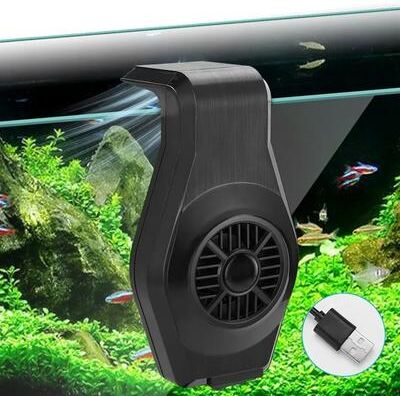
Uplift Essentials USB Aquarium Cooling Fan Mini Fish Tank Chiller With Speed Control For Shrimp And Planted Tanks USB Aquarium Cooling Fan Mini Fish Tank Chiller With Speed Control For Shrimp And Planted TanksKeep your aquarium water cooler and your aquatic pets more comfortable with this USB aquarium cooling fan designed for fish tanks, shrimp tanks, and planted grass tanks. With strong airflow and adjustable speed settings, it helps reduce water...61,97 $*Shipping: 0,00 $Secure redirect to the provider
-
Multisell Products Hub Fish Tank Decorations, Resin Submarine Ornaments, Aquarium Fish Shrimp Shelter Cave yellowEnhance Your Aquarium with a Resin Submarine Ornament Add a unique touch to your aquarium with our Resin Submarine Ornaments. Designed for both aesthetic appeal and practical use, this highquality ornament serves as a fish shrimp shelter cave,...21,97 $*Shipping: 0,00 $Secure redirect to the provider



-
What is DNA replication?
DNA replication is the process by which a cell makes an identical copy of its DNA. This process is essential for cell division and the transmission of genetic information from one generation to the next. It involves the unwinding of the DNA double helix, the synthesis of new complementary strands using the existing strands as templates, and the proofreading and correction of any errors. DNA replication ensures that each new cell receives a complete and accurate set of genetic instructions. **
-
What is RNA self-replication?
RNA self-replication is a process where RNA molecules are able to catalyze their own replication without the need for external enzymes. This ability is crucial for the early evolution of life on Earth, as it is believed to be a key step in the transition from prebiotic chemistry to the emergence of life. RNA self-replication involves the RNA molecule acting as both a template and an enzyme, allowing it to make copies of itself. This process is a fundamental aspect of the RNA world hypothesis, which suggests that RNA played a central role in the origin of life. **
-
What is a replication bubble?
A replication bubble is a region of DNA where the double helix has been unwound and separated to allow for DNA replication to occur. It is formed by the action of helicase enzymes that unwind the DNA strands, creating two single-stranded templates for the replication process. The replication bubble expands as the replication machinery moves along the DNA, synthesizing new strands of DNA. Replication bubbles are a key feature of DNA replication and allow for the efficient and accurate copying of genetic information. **
-
How does DNA replication occur?
DNA replication occurs in a semi-conservative manner, where the two strands of the double helix are separated and each strand serves as a template for the synthesis of a new complementary strand. The enzyme helicase unwinds the double helix, creating two single strands. DNA polymerase then adds new nucleotides to each single strand, following the base-pairing rules (A with T, and C with G). This results in two identical double-stranded DNA molecules, each containing one original strand and one newly synthesized strand. **


Where does DNA replication occur?
DNA replication occurs in the nucleus of eukaryotic cells and in the cytoplasm of prokaryotic cells. In eukaryotic cells, DNA replication takes place during the S phase of the cell cycle, when the DNA is duplicated to ensure that each daughter cell receives a complete set of genetic information. The process involves the unwinding of the DNA double helix, the synthesis of new DNA strands using existing strands as templates, and the proofreading and correction of errors. Overall, DNA replication is a fundamental process that ensures the accurate transmission of genetic information from one generation to the next. **
How does semiconservative DNA replication occur?
Semiconservative DNA replication occurs in the following way: the double-stranded DNA molecule unwinds and separates into two strands. Each separated strand serves as a template for the synthesis of a new complementary strand. Enzymes called DNA polymerases add nucleotides to the new strands based on the complementary base pairing rules (A with T, C with G). As a result, two identical DNA molecules are produced, each consisting of one original strand and one newly synthesized strand. This process ensures that genetic information is faithfully passed on to daughter cells during cell division. **
Top-Angebote
Products related to Replication:
-
The Handy Homestead Extendable Telescopic Fish Net With Stainless Steel Handle For Aquarium And Shrimp Care Extendable Telescopic Fish Net With Stainless Steel Handle For Aquarium And Shrimp CareKeep your tank calm, clean, and easy to manage with a telescopic fish net designed for gentle everyday care. This handy aquarium fish net helps fish keepers, shrimp owners, and hobbyists catch, transfer, or skim without reaching deep into the water....29,97 $*Shipping: 0,00 $Secure redirect to the provider
-
Uplifted Finds Resin Submarine Aquarium Ornament Fish Tank Decoration & Shrimp Shelter Cave bronzeTransform your underwater world into an adventurous aquatic scene with this Resin Submarine Aquarium Ornament. Meticulously detailed to replicate a sunken vintage submarine with realistic portholes, control tower accents, and weathered textures,...33,97 $*Shipping: 0,00 $Secure redirect to the provider
-
Uplifted Finds 2pcs Shrimp Dome Hide Betta Hiding Cave & Breeding Shelter Tank Ornament For Guppy & Small Fish blackCreate a safe, stressfree aquatic environment for your aquarium inhabitants with this 2Piece Shrimp Dome Hide & Betta Resting Shelter Set. Specially designed for small freshwater fish, dwarf shrimp, guppies, and bettas, these smooth ceramic dome...38,97 $*Shipping: 0,00 $Secure redirect to the provider
-
Uplift Essentials Ceramic Aquarium Shrimp Cave And Fish Hideout Ceramic Aquarium Shrimp Cave And Fish HideoutProvide a safe shelter, stressfree resting spot, and natural breeding ground for your aquatic pets with this ceramic shrimp cave. Crafted from nontoxic, porous clay ceramic, this hollow habitat cylinder features smooth, rounded entrance arches that...31,97 $*Shipping: 0,00 $Secure redirect to the provider
-
What is the replication origin in DNA replication?
The replication origin is a specific sequence of DNA where the process of DNA replication begins. It is the site where the two strands of the DNA double helix are separated and the replication machinery is assembled. The replication origin is recognized by specific proteins that initiate the unwinding of the DNA and the synthesis of new DNA strands. Each DNA molecule has multiple replication origins to ensure that the entire genome is replicated efficiently. **
-
What is semiconservative replication?
Semiconservative replication is the process by which DNA is copied during cell division. In this process, the two strands of the DNA double helix separate, and each strand serves as a template for the synthesis of a new complementary strand. As a result, each new DNA molecule contains one original strand and one newly synthesized strand. This ensures that the genetic information is preserved and passed on to the next generation of cells. This process was first proposed by James Watson and Francis Crick in 1953. **
-
What is DNA replication?
DNA replication is the process by which a cell makes an identical copy of its DNA. This process is essential for cell division and the transmission of genetic information from one generation to the next. It involves the unwinding of the DNA double helix, the synthesis of new complementary strands using the existing strands as templates, and the proofreading and correction of any errors. DNA replication ensures that each new cell receives a complete and accurate set of genetic instructions. **
-
What is RNA self-replication?
RNA self-replication is a process where RNA molecules are able to catalyze their own replication without the need for external enzymes. This ability is crucial for the early evolution of life on Earth, as it is believed to be a key step in the transition from prebiotic chemistry to the emergence of life. RNA self-replication involves the RNA molecule acting as both a template and an enzyme, allowing it to make copies of itself. This process is a fundamental aspect of the RNA world hypothesis, which suggests that RNA played a central role in the origin of life. **
Similar search terms for Replication
-
Uplift Essentials USB Aquarium Cooling Fan Mini Fish Tank Chiller With Speed Control For Shrimp And Planted Tanks USB Aquarium Cooling Fan Mini Fish Tank Chiller With Speed Control For Shrimp And Planted TanksKeep your aquarium water cooler and your aquatic pets more comfortable with this USB aquarium cooling fan designed for fish tanks, shrimp tanks, and planted grass tanks. With strong airflow and adjustable speed settings, it helps reduce water...61,97 $*Shipping: 0,00 $Secure redirect to the provider
-
Multisell Products Hub Fish Tank Decorations, Resin Submarine Ornaments, Aquarium Fish Shrimp Shelter Cave yellowEnhance Your Aquarium with a Resin Submarine Ornament Add a unique touch to your aquarium with our Resin Submarine Ornaments. Designed for both aesthetic appeal and practical use, this highquality ornament serves as a fish shrimp shelter cave,...21,97 $*Shipping: 0,00 $Secure redirect to the provider
-
Uplifted Finds Resin Submarine Aquarium Ornament Fish Tank Decoration & Shrimp Shelter Cave yellowTransform your underwater world into an adventurous aquatic scene with this Resin Submarine Aquarium Ornament. Meticulously detailed to replicate a sunken vintage submarine with realistic portholes, control tower accents, and weathered textures,...33,97 $*Shipping: 0,00 $Secure redirect to the provider
-
Uplifted Finds Resin Submarine Aquarium Ornament Fish Tank Decoration & Shrimp Shelter Cave redTransform your underwater world into an adventurous aquatic scene with this Resin Submarine Aquarium Ornament. Meticulously detailed to replicate a sunken vintage submarine with realistic portholes, control tower accents, and weathered textures,...33,97 $*Shipping: 0,00 $Secure redirect to the provider
-
What is a replication bubble?
A replication bubble is a region of DNA where the double helix has been unwound and separated to allow for DNA replication to occur. It is formed by the action of helicase enzymes that unwind the DNA strands, creating two single-stranded templates for the replication process. The replication bubble expands as the replication machinery moves along the DNA, synthesizing new strands of DNA. Replication bubbles are a key feature of DNA replication and allow for the efficient and accurate copying of genetic information. **
-
How does DNA replication occur?
DNA replication occurs in a semi-conservative manner, where the two strands of the double helix are separated and each strand serves as a template for the synthesis of a new complementary strand. The enzyme helicase unwinds the double helix, creating two single strands. DNA polymerase then adds new nucleotides to each single strand, following the base-pairing rules (A with T, and C with G). This results in two identical double-stranded DNA molecules, each containing one original strand and one newly synthesized strand. **
-
Where does DNA replication occur?
DNA replication occurs in the nucleus of eukaryotic cells and in the cytoplasm of prokaryotic cells. In eukaryotic cells, DNA replication takes place during the S phase of the cell cycle, when the DNA is duplicated to ensure that each daughter cell receives a complete set of genetic information. The process involves the unwinding of the DNA double helix, the synthesis of new DNA strands using existing strands as templates, and the proofreading and correction of errors. Overall, DNA replication is a fundamental process that ensures the accurate transmission of genetic information from one generation to the next. **
-
How does semiconservative DNA replication occur?
Semiconservative DNA replication occurs in the following way: the double-stranded DNA molecule unwinds and separates into two strands. Each separated strand serves as a template for the synthesis of a new complementary strand. Enzymes called DNA polymerases add nucleotides to the new strands based on the complementary base pairing rules (A with T, C with G). As a result, two identical DNA molecules are produced, each consisting of one original strand and one newly synthesized strand. This process ensures that genetic information is faithfully passed on to daughter cells during cell division. **
* All prices are inclusive of VAT and, if applicable, plus shipping costs. The offer information is based on the details provided by the respective shop and is updated through automated processes. Real-time updates do not occur, so deviations can occur in individual cases. ** Note: Parts of this content were created by AI.